Podcast
Digital episodic audio/video content distributed via RSS feeds.

A podcast is a program made available in digital format for download over the Internet, primarily an audio medium. Podcasts are episodic series of digital audio files that users can download or stream, often featuring recurring hosts discussing particular topics. Podcasting is the preparation and distribution of audio or video files using RSS feeds to subscribed users' devices.
- coined_by
- popularized by Ben Hammersley
Lore & Background
The term 'podcast' itself was used in Hammersley's article as part of 'podcasting', making 'podcast' a derivative.
Reader's Guide
Podcasting is significant as a disruptive medium, often free to consumers and adverse to traditional revenue models. It is underwritten by corporations, sponsors, or paid subscriptions. The cost to start is low, requiring only a microphone, computer, and editing software. The term 'podcast' predates Apple's addition of podcasting features to the iPod and iTunes. In June 2005, Apple released iTunes 4.9 with formal podcast support, and issued cease-and-desist orders to developers using 'iPod' or 'Pod' in product names.
Did You Know?
- The first major podcast to charge consumers was the second series of The Ricky Gervais Show, priced at around £1.50 or $1.95 per half-hour episode.
Naming & Early Roots
The word "podcast" is a blend of "iPod" and "broadcast," yet its origin story is more layered than the branding suggests. Importantly, the term existed before Apple ever built podcasting functionality into the iPod or iTunes software, meaning the name was not a corporate invention but a grassroots one. Despite the "iPod" embedded in the word, the medium has always been device-agnostic—any computer or player capable of handling media files can consume podcast content. This early, community-driven naming reflects a broader pattern in podcasting's history: the format was shaped as much by independent creators and small software projects as by any single technology company.
From Cassette Tapes to RSS Feeds
The roots of podcasting stretch further back than most listeners realize. In 1965, Frank Siedel and his scriptwriting firm Storycraft produced sixty-minute audio training programs on Philips compact cassette recorders for Westinghouse Electric's sales force. The program, called Salespoint, let employees listen in their cars and ran for at least a decade—its portability and direct delivery to listeners making it a clear ancestor of today's podcast. That same year, Tristan Louis drafted a proposal to attach audio and video files to RSS feeds, an idea software developer Dave Winer went on to implement. His audience of developers was inspired to build their own shows, and a pioneer community formed almost overnight.
The Commercial Wake-Up Call
London radio station LBC launched LBC Plus, the first premium-podcasting platform, and the industry quickly recognized the format's revenue potential. The breakthrough moment, however, belonged to UK comedian Ricky Gervais. His first series of The Ricky Gervais Show was distributed for free by the Positive Internet Company and promoted through The Guardian's website. When the second series moved to audible.co.uk, it became the first major podcast to charge listeners—ninety-five pence per half-hour episode—yet it remained the most-downloaded show on iTunes. The Adam Carolla Show later claimed a Guinness World Record for approaching sixty million total downloads, but Guinness notably failed to acknowledge that Gervais's podcast had racked up more than five times that figure. Beyond individual hits, the era established the economic templates that still define the medium: corporate sponsorship, paid subscriptions, and advertising all became viable paths for sustaining a show.
The Video Turn & a Billion-Eye Audience
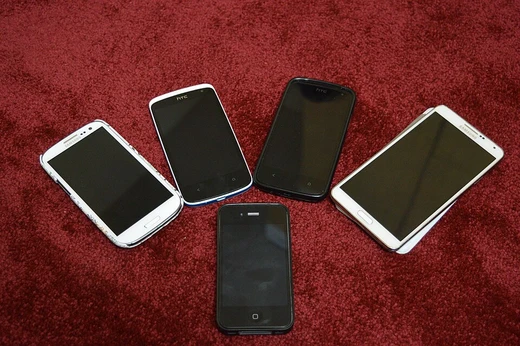
Yet the most dramatic shift of the mid-2020s has been the rise of video podcasts, either embedded directly in the feed or offered as a companion to the audio track. Listeners now consume shows on smartphones, digital multimedia players, and smart televisions alike. This visual expansion, however, introduces a genuine tension: when a host shows something on screen, the audio-only experience can suffer because what is displayed is invisible to listeners who never see the video. The format that began as a purely auditory, download-based medium has become a multi-platform, multi-sensory phenomenon, and the question of how to serve both ears and eyes simultaneously is now central to podcast production.
More in Communication & Media 1-19
Spotted an error? Know more?
This is a living reference — every entry is fact-audited, and reader corrections feed straight into our audit queue. Suggest an edit · See this site's audit record